Strategic Print Design Brands Overlook in Marketing
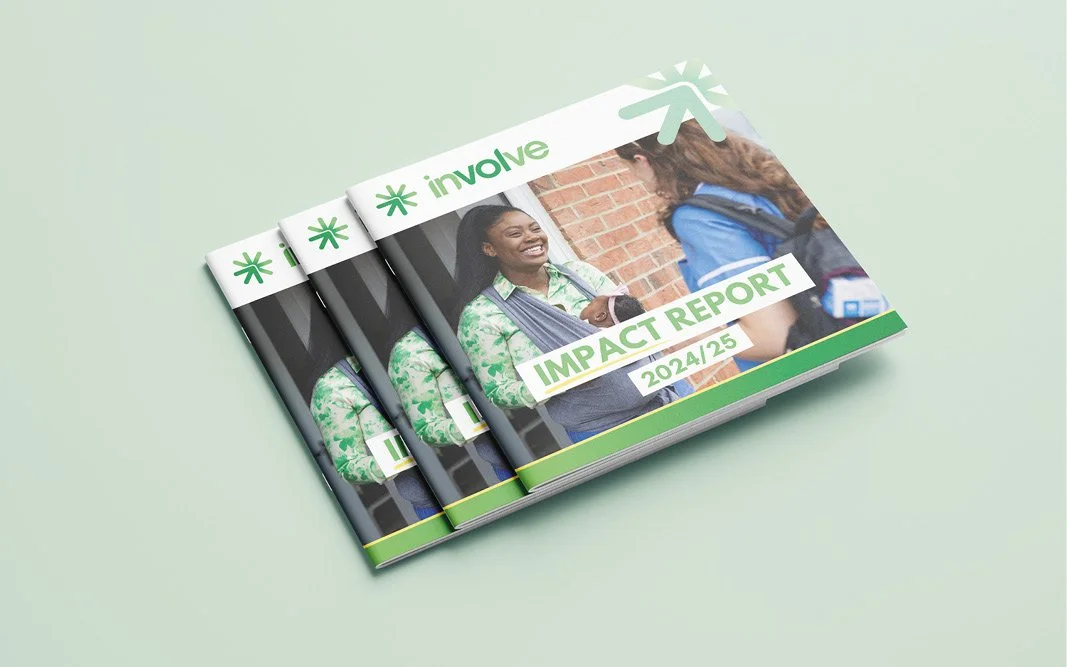
Turn Overlooked Print Into a Strategic Brand Advantage
Many growing brands are putting most of their energy into social media, email and online ads. Digital feels faster and easier to tweak, so print often slips to the bottom of the list. The result is that printed pieces become an afterthought, rushed out right before a deadline, with little link to the rest of the brand.
That is a missed chance. Tactile, well-planned print has a quiet power that screens cannot copy. Paper has weight, texture and a sense of care that helps people feel they can trust a business, especially when they see it around their local area. When someone holds a well-designed card or leaflet, it lingers in the mind in a different way from a passing post in a feed.
Smart print design can also join the dots between online marketing, local events and real-world touchpoints. It can guide people from a farmers market stall to a website, from a trade stand to an email list, from a delivery box back to a repeat order. In this article, we will walk through the key print formats many brands skip, how to make them work harder, and how to plan a more joined-up system for the next financial year and beyond.
Elevate Everyday Collateral Into Brand Building Assets
Some of the most powerful print items are the ones that seem the least exciting. The slip you tuck into a parcel, the small appointment card handed over at reception, the invoice your client prints and files, these are all tiny brand moments hiding in plain sight.
Think about items like:
Invoices and statements
Appointment or booking cards
Loyalty and stamp cards
Thank you slips and packing notes
Care cards or simple how-to guides
These are handled when people are already focused on your brand. With considered typography, layout and tone of voice, each piece can quietly repeat your values and key messages. For example, an invoice can include a short line about your core service promise. A loyalty card can point to your latest service or your most profitable offer. A thank you slip can invite reviews or referrals in a clear, friendly way.
Seasonal refreshes are also worth planning. Around spring product launches or the new tax year, many brands are changing offers, services or pricing. If your printed collateral still shows old taglines or out-of-date offers, it sends a mixed signal. Updating these small pieces so they match your current positioning keeps everything feeling aligned and intentional.
When the same visual system appears across digital and print, trust grows. Shared typefaces, colour choices, image styles and spacing rules make even a simple note feel part of a bigger whole. Instead of a random pile of paper, you have a set of brand assets that support each other and make the business look more organised and dependable.
Transform Local Events Into Measurable Marketing Moments
Local events create strong chances for face-to-face contact. Fairs, markets, business expos and community days tend to pick up from early spring into summer, and many brands book a stand then scramble for print a week before. That often leads to a basic banner and a stack of rushed flyers, with no way to measure what worked.
With more strategic planning, event print can be both eye-catching and trackable. Useful pieces include:
Pull-up banners and small tabletop signs
Product or service cards with simple benefits
Clear price lists or package overviews
Branded folders or wallets for handouts
Sample packs with labels and inserts
Feedback or enquiry cards
Good print design should also connect back to your digital channels. QR codes, short trackable URLs or unique event offers can link to a landing page or sign-up form. When someone scans a code on a product card, you can see that the event is feeding your pipeline instead of just handing out paper.
It also helps to design event materials in a modular way. That might mean a core banner that stays the same all year, plus smaller interchangeable panels that you can reprint for different seasons or campaigns. Simple tricks like leaving a small area for a sticker or stamp can let you tweak messaging for spring, summer or a specific fair without starting from a blank page each time.
Use Direct Mail to Cut Through Digital Noise
Email inboxes are crowded and social feeds move fast. By contrast, a piece of high-quality, well-targeted post landing on a doorstep feels rare and personal. This creates a chance to stand out, especially for local services and considered purchases.
Different direct mail formats can suit different goals, such as:
Postcards with one clear offer
Mini catalogues for a focused product range
Folded self-mailers that open into a small poster
Tailored welcome packs for new clients
Direct mail works best when it is carefully segmented. You might send one message to nearby streets, a different one to lapsed customers, and another to a small group of high-value prospects. With variable content, you can change the headline, imagery or offer to speak more directly to each group without redesigning from scratch.
Strong hierarchy is key. The eye should hit a main message first, then a short support line, then a clear next step such as a URL, QR code or store visit prompt. Consistent brand visuals link the mailer back to your site, social feed and in-person experience, so people feel they are dealing with one joined-up brand rather than a series of disconnected parts.
Build a Cohesive Print System That Scales with Growth
Many growing businesses iorder print in a reactive way. One year it is a brochure, then a flyer, then new signage, each briefed and designed separately. Over time, the result is a mix of styles, colours and layouts that slowly erodes the strength of the brand.
A better path is to think in terms of a flexible print toolkit that can grow with you. This might include:
Logo variations for different formats
Clear rules for colour and type use
Layout grids for flyers, cards and leaflets
Preferred paper stocks and weights
Finishing guidelines like lamination or foiling
With this in place, every new piece has a starting point. Design decisions become faster and more consistent, and you reduce the risk of well-meaning ad hoc print that looks off-brand. Print design then becomes a planned system, not a string of one-off fixes.
A design retainer with a studio like ours can keep this toolkit alive. As seasons shift, products change or campaigns launch, we update the templates so you are never stuck re-briefing from zero. Print runs can be grouped around seasonal peaks, trade shows or known promotional windows, which often leads to smoother planning and fewer last-minute rushes.
Take the Next Step with Smarter Print Design
When you look across your current materials, common gaps often appear. Everyday collateral is underused, event stands feel unbranded or hard to measure, direct mail sits on the wish list, and print pieces from different years do not quite match. All of that adds friction and makes it harder for people to recognise and trust your brand.
A simple audit can bring clarity. Lay out your invoices, cards, leaflets, event items and mailers next to your digital channels. Do they look and sound like the same business? Do they guide people clearly towards a next step? For many Braintree brands, this review is the trigger to plan a more strategic, joined-up system for the coming spring, summer and beyond.
At Offpaper, we focus on branding, bespoke websites, print and ongoing design retainers for growing businesses in Kent, Essex and the surrounding area. Thoughtful, consistent print is a key part of that picture, and when it is planned well, it quietly supports every other channel you use.
Turn Your Ideas Into Print That Actually Gets Noticed
If you are ready to bring your next campaign, brochure or packaging to life, we are here to help you make every piece count. Whether you need strategic, detail driven print design in Braintree or support choosing the right finishes and formats, offpaper can guide you from concept to final print. Tell us what you are working on and we will suggest clear, practical options to move it forward. If you are unsure where to start or have a specific brief in mind, contact us and we will respond with tailored ideas.